
5-AMINO-1MQ Research Capsules | Selective NNMT Inhibitor
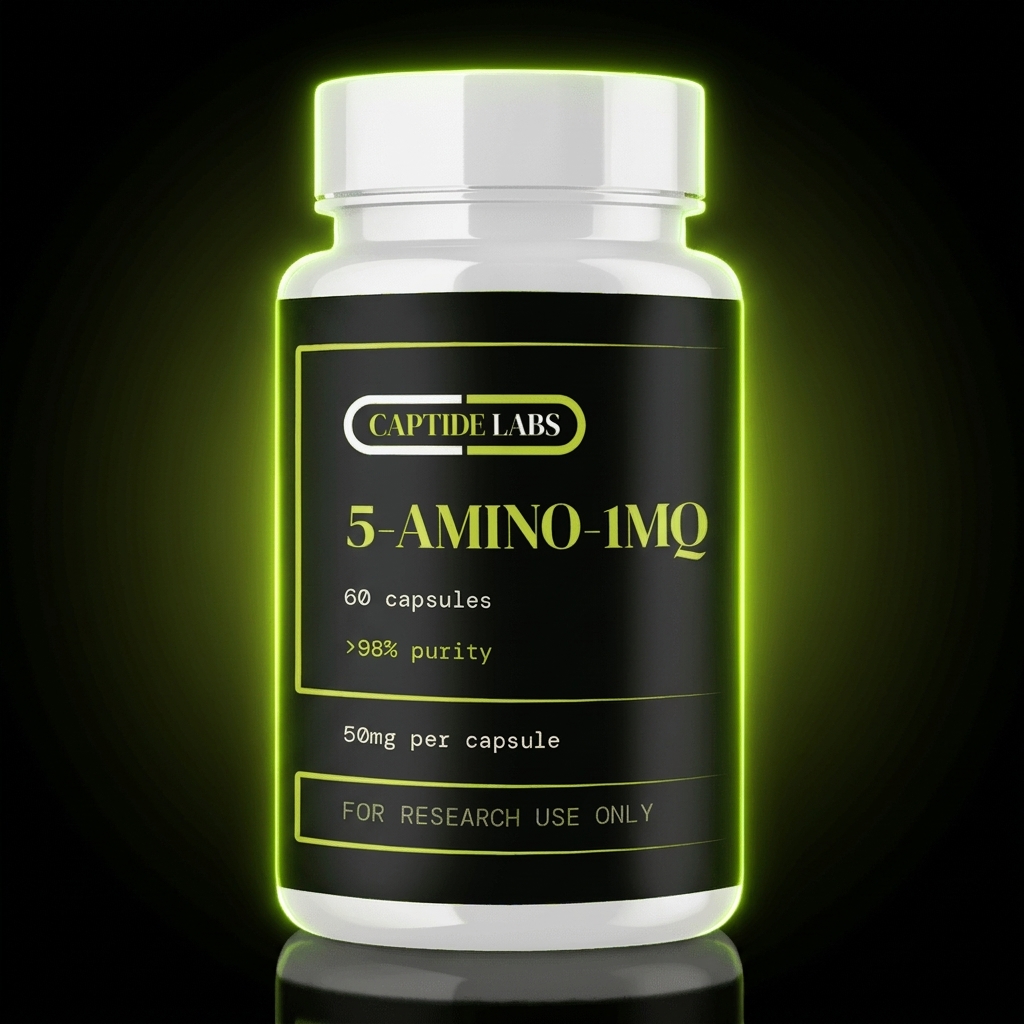
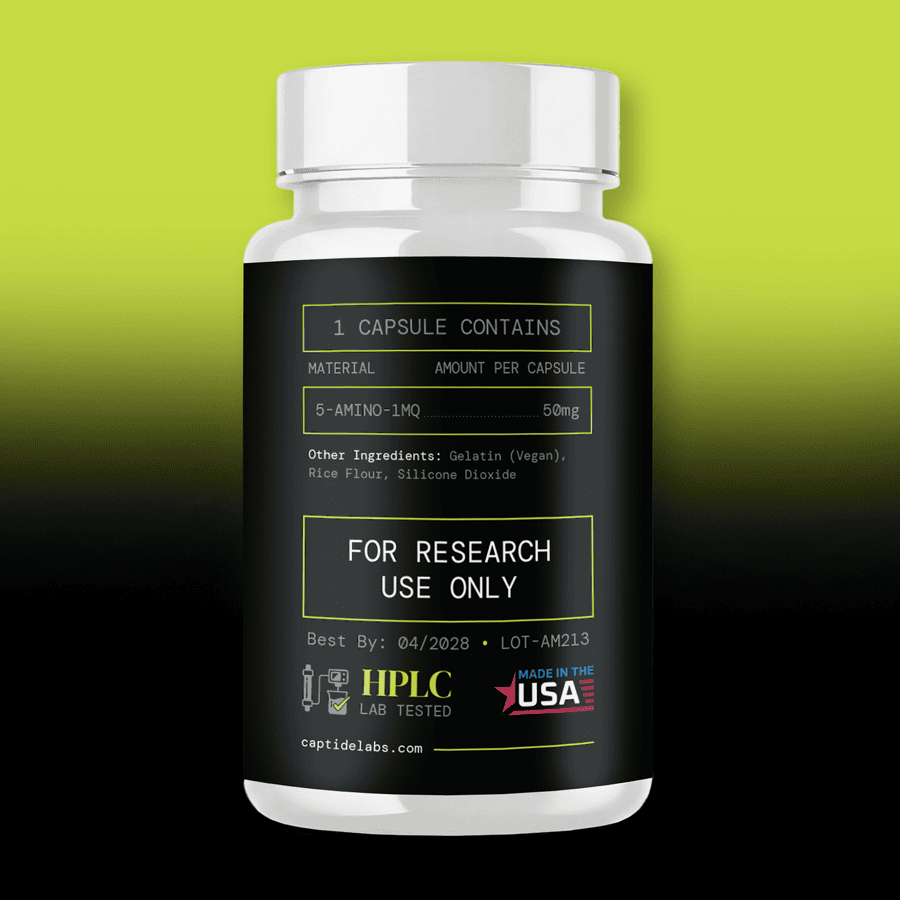
Captide Labs 5-AMINO-1MQ capsules provide researchers with a precisely dosed, encapsulated format of one of the most studied small-molecule NNMT inhibitors in contemporary metabolic research. Each capsule delivers 50mg of 5-AMINO-1MQ at greater than 98% purity, independently verified by HPLC-MS analysis and documented with a full Certificate of Analysis.
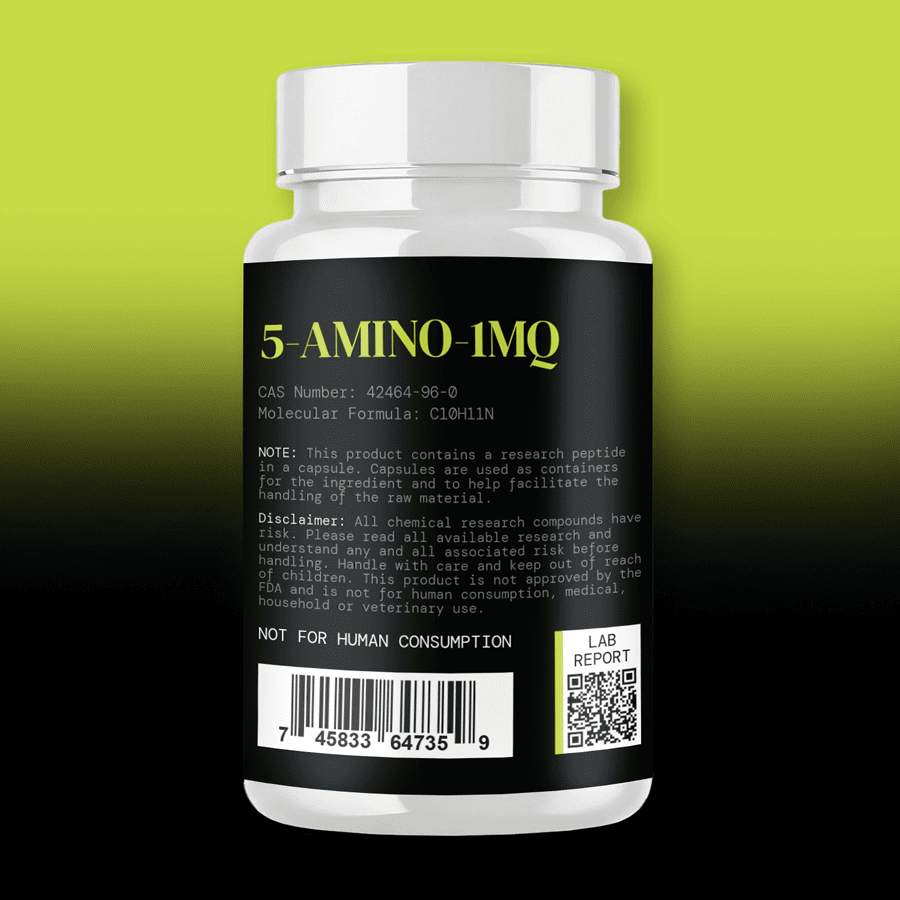
5-AMINO-1MQ (CAS 42464-96-0), or 5-amino-1-methylquinolinium, is a selective substrate site-targeting inhibitor of nicotinamide N-methyltransferase (NNMT) with a reported IC50 of approximately 1.2 μM. NNMT plays a central role in NAD⁺ metabolism, adipogenesis, and epigenetic regulation. By inhibiting NNMT, 5-AMINO-1MQ has been investigated for its ability to preserve cellular NAD⁺ precursor pools, increase SAM (S-adenosylmethionine) availability, and shift cellular energy metabolism — effects that have generated significant preclinical research interest in obesity, metabolic syndrome, muscle injury, and cellular aging models.
What is 5-AMINO-1MQ?
5-AMINO-1MQ is a small-molecule competitive inhibitor of nicotinamide N-methyltransferase (NNMT) — an enzyme that catalyzes the methylation of nicotinamide using S-adenosylmethionine (SAM) as the methyl donor, producing 1-methylnicotinamide (1-MNA) and S-adenosylhomocysteine (SAH). NNMT is highly expressed in adipose tissue and liver and plays a key role in regulating the methionine cycle, NAD⁺ precursor availability, and the epigenetic landscape of metabolically active cells.
By blocking NNMT activity, 5-AMINO-1MQ reduces 1-MNA formation, increases cellular SAM levels, and frees nicotinamide for recycling through the NAMPT pathway toward NAD⁺ biosynthesis — effects linked to reduced adipogenesis, increased energy expenditure, and altered gene expression in preclinical models. Its substrate site-targeting mechanism makes it highly selective for NNMT without affecting related methyltransferases or other enzymes in the NAD⁺ salvage pathway, distinguishing it from less specific small-molecule tools.
Areas of Active 5-AMINO-1MQ Investigation
NNMT Inhibition & NAD⁺ Metabolism
NNMT consumes SAM to methylate nicotinamide, diverting it from the NAD⁺ salvage pathway. Inhibition by 5-AMINO-1MQ preserves the nicotinamide pool for recycling through NAMPT and restores SAM availability for other methylation reactions. Researchers have investigated how this metabolic shift alters cellular energy sensing, sirtuin activity (particularly SIRT1 and SIRT3), and PARP-dependent DNA repair in cell culture and animal models.
Adipogenesis & Fat Cell Biology
NNMT is highly expressed in white adipose tissue, where it promotes adipocyte differentiation and lipid storage. In 3T3-L1 preadipocyte models, 5-AMINO-1MQ has demonstrated dose-dependent inhibition of lipogenesis (EC50 ≈ 30 μM) and reduction of 1-methylnicotinamide levels in adipocytes (EC50 ≈ 2.3 μM). Diet-induced obesity rodent models have reported decreased fat mass following treatment, with effects on adipocyte gene expression, lipid droplet formation, and the adipogenic transcription factor cascade.
Energy Expenditure & Metabolic Rate
Animal studies have reported increased resting energy expenditure and oxygen consumption following 5-AMINO-1MQ treatment without significant changes in physical activity or food intake. Researchers have investigated the mechanisms underlying this thermogenic effect, including altered substrate utilization, brown adipose tissue activation, and changes in mitochondrial function downstream of restored NAD⁺ availability.
Muscle Injury & Satellite Cell Function
5-AMINO-1MQ has been investigated in models of muscle injury and regeneration. Studies have reported promotion of myoblast differentiation and improved muscle repair following injury in rodent models. Researchers have examined the role of NNMT inhibition in satellite cell activation, myogenic differentiation, and the metabolic reprogramming required for efficient muscle regeneration.
Epigenetic Regulation & Methylation
By increasing SAM availability, NNMT inhibition shifts the cellular methylation potential — affecting histone methylation patterns and DNA methylation at metabolically regulated gene loci. Researchers have studied how 5-AMINO-1MQ alters the epigenetic landscape of adipose and liver tissue, particularly at genes involved in lipid metabolism, insulin signaling, and inflammatory pathways.
Insulin Sensitivity & Glucose Metabolism
NNMT overexpression has been associated with insulin resistance in adipose tissue. Preclinical models have investigated whether 5-AMINO-1MQ-mediated NNMT inhibition improves insulin sensitivity and glucose uptake in metabolically compromised subjects. Studies have examined its effects on GLUT4 expression, Akt phosphorylation, and fasting glucose in high-fat diet rodent models.
Cellular Aging & Longevity Pathways
NNMT activity increases with age in several tissues, and its inhibition has been investigated as a potential strategy for restoring youthful metabolic profiles. Researchers have examined 5-AMINO-1MQ’s effects on sirtuin activation, mitochondrial biogenesis, and markers of cellular senescence in aged cell culture and rodent models.
Frequently Asked Questions
What is 5-AMINO-1MQ used for in research?
What is NNMT and why is it a research target?
What purity is Captide Labs 5-AMINO-1MQ?
What is the CAS number for 5-AMINO-1MQ?
How does 5-AMINO-1MQ differ from NMN or NR?
How is the purity of Captide Labs 5-AMINO-1MQ verified?
For research use only. Not for human consumption, veterinary use, or food/agricultural applications. Not evaluated or approved by the FDA. Not intended to diagnose, treat, cure, or prevent any condition. All purchases are made with the understanding that this compound is strictly for in-vitro research and laboratory use. See the full Research Use Only (RUO) Policy.

Reviews
There are no reviews yet.