Preclinical investigation into bpc 157 peptide capsules continues to expand as researchers examine the physiological properties of this synthetic pentadecapeptide. Derived from a sequence found in human gastric juice, the compound has demonstrated notable stability and systemic activity in animal models. Current laboratory studies focus heavily on its potential roles in tissue regeneration, cytoprotection, and angiogenic signaling pathways to determine its long-term viability in experimental medicine.
The Science of BPC-157 and Gastric Origin
Body Protecting Compound 157 (BPC-157) is a synthetic pentadecapeptide comprising 15 amino acids, sequence-derived from a naturally occurring protective protein isolated from gastric juice. Unlike many fragile peptide sequences that degrade rapidly upon exposure to gastric enzymes and proteolytic environments, this specific sequence exhibits remarkable chemical stability. In laboratory settings, researchers are deeply interested in how this endogenous resilience translates to sustained bioactivity within diverse experimental models.
In vitro studies have demonstrated that the molecular architecture of BPC-157 allows it to remain fully intact under highly acidic conditions. This unique stability profile makes it an ideal reference compound for comparative studies examining cellular survival, cytoprotection, and mucosal defense mechanisms. Investigators utilize these properties to evaluate how the compound interacts with cellular membranes and protective barriers without immediate enzymatic degradation. This resistance to breakdown ensures that experimental trials can measure direct cellular responses over extended incubation periods.
Angiogenesis and Tissue Repair Mechanisms
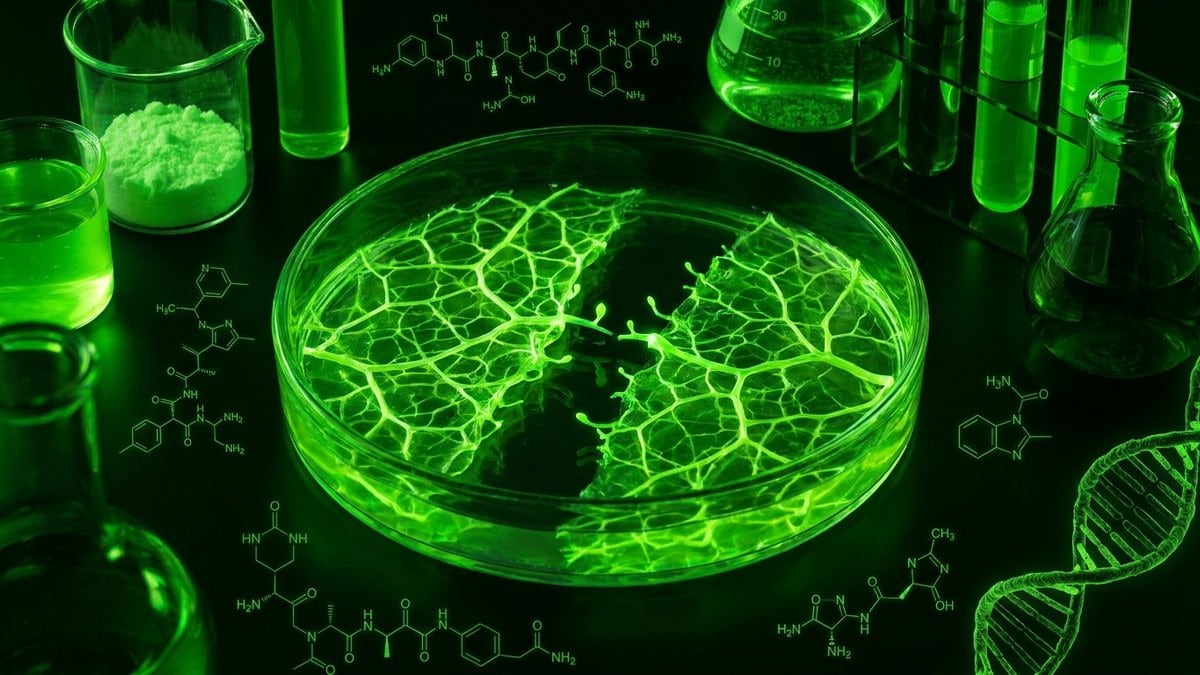
A primary focal point of preclinical literature is the ability of BPC-157 to influence angiogenesis, the biological process responsible for forming new blood vessels. Experimental models indicate that the peptide actively upregulates the expression of vascular endothelial growth factor (VEGF) and stimulates the VEGFR2 signaling pathway. By enhancing microvascular density and local blood flow, the compound is studied for its capacity to accelerate the delivery of essential nutrients to damaged or hypoxic tissues.
Moreover, research has examined how BPC-157 affects the healing of connective tissues, such as tendons, ligaments, and bone matrix. In animal models of Achilles tendon transection, researchers observed that the application of BPC-157 promoted increased fibroblast migration, enhanced collagen type I synthesis, and improved tensile strength of the healing tendon. These findings suggest that the peptide influences the cellular machinery necessary for structural remodeling and extracellular matrix organization. This dual-action pathway makes it a valuable subject for orthopedic research.

The Role of BPC 157 Peptide Capsules in Gastric Research
In modern laboratory research, the vehicle and format of peptide delivery are critical variables. Utilizing bpc 157 peptide capsules in preclinical oral gavage or ingestion protocols provides a standardized method for evaluating localized gastric and systemic physiological responses. This specific capsule format allows investigators to safely bypass early degradation phases, delivering the stable peptide directly to the lower gastrointestinal tract to study its impact on inflammatory bowel models, mucosal integrity, and tight junction proteins, which are critical for maintaining the gut barrier.
The capsule formulation is also valuable for pharmacokinetic profiling within animal subjects. By assessing oral administration pathways, researchers can monitor how the peptide interacts with the gastric-gut barrier, its rate of absorption, and its subsequent systemic distribution. This helps define the precise pharmacodynamics of the compound, ensuring that laboratory observations are consistent, reproducible, and free from the experimental variances often caused by liquid degradation.
Research Methodology and Cellular Signaling
In addition to physical structural repair, molecular biology research focuses heavily on the intracellular signaling pathways modulated by BPC-157. Preclinical studies suggest a strong interaction between the peptide and the nitric oxide (NO) synthesis pathways, specifically balancing endothelial and inducible nitric oxide synthase. This modulation is critical for maintaining vascular homeostasis, managing oxidative stress, and protecting endothelial cells from induced toxic challenges.
Scientists also study the peptide’s capacity to influence gene expression, particularly the early growth response 1 (egr-1) gene, which plays a pivotal role in cellular differentiation and extracellular matrix construction. By mapping these complex genomic and cellular cascades, researchers can better understand the fundamental biological mechanisms of tissue repair and cytoprotection, keeping the research community informed as preclinical evaluations advance.
Purity and research format
Consistency matters in research. Captide Labs supplies BPC-157 Capsules in a pre-measured, third-party tested format, with documentation available so researchers can confirm identity and purity before study.

Frequently asked questions
What is BPC-157 and what does the research show?
BPC-157 is a synthetic 15-amino-acid peptide derived from a human gastric protein, which preclinical research shows may facilitate angiogenesis, tissue repair, and cytoprotection.

Why are BPC-157 capsules used in research?
Capsules are used in preclinical research to study localized gastrointestinal effects, assess oral bioavailability, and ensure stable, controlled delivery to specific regions of the animal digestive tract.
How is BPC-157 capsule purity verified?
The purity of research-grade BPC-157 is verified using analytical laboratory testing methods such as High-Performance Liquid Chromatography (HPLC) and Mass Spectrometry (MS) to confirm sequence identity and structural integrity.
Are BPC-157 capsules for human use?
No, BPC-157 capsules are strictly for in vitro and in vivo laboratory research use only and are not approved for human consumption, therapeutic use, or clinical applications.
Research Use Only. All Captide Labs products are intended strictly for laboratory and research purposes. They are not for human consumption, veterinary use, or medical applications. These statements have not been evaluated by the Food and Drug Administration. You must be 21 or older to purchase.