A GLOW peptide is not a single compound — the term describes a blend of three of the most-studied research peptides: GHK-Cu, BPC-157, and TB-500. This overview covers what published research has examined for each component of a GLOW peptide blend, and why the encapsulated capsule format is useful for consistent study. Everything here is presented strictly in a research context.
What is in a GLOW peptide blend?
A GLOW blend combines three research peptides, each investigated for different mechanisms:
- GHK-Cu (copper peptide) — a naturally occurring copper-binding tripeptide that has been studied for its role in skin remodeling, collagen synthesis, and antioxidant signaling in laboratory models.
- BPC-157 — a synthetic peptide derived from a gastric protein sequence, studied for angiogenesis and connective-tissue repair pathways in preclinical research.
- TB-500 — a synthetic version of a region of thymosin beta-4, studied for cell migration and tissue-repair signaling.
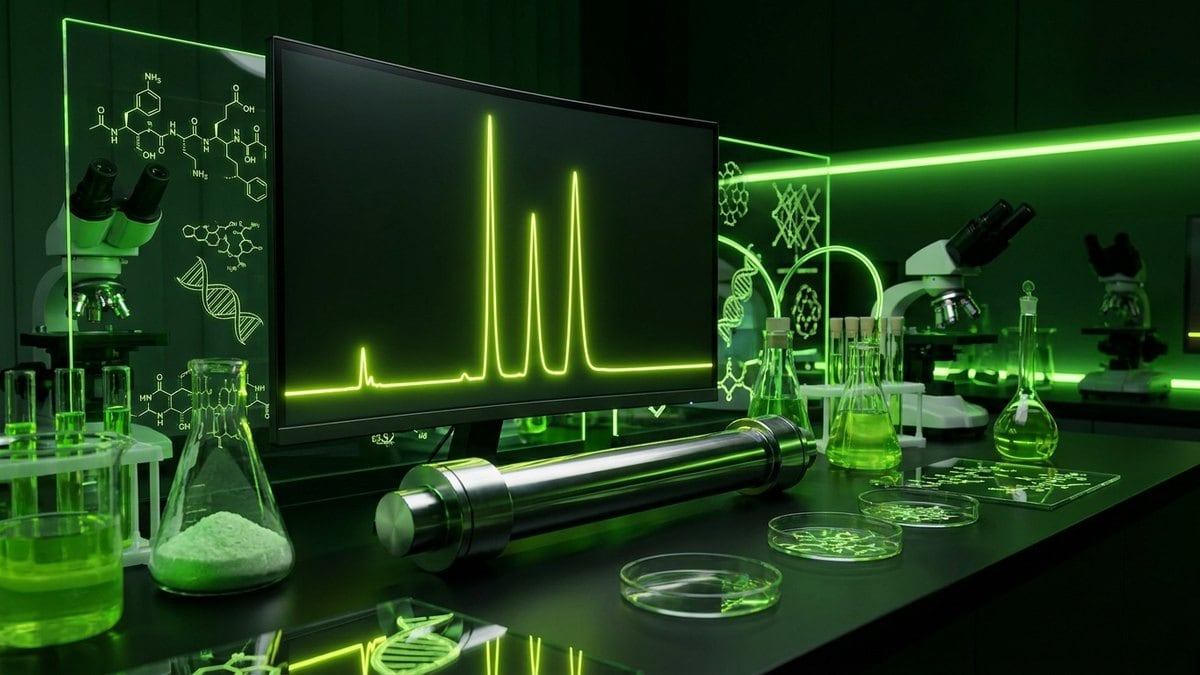
The premise researchers explore is whether the three compounds, examined together, act on complementary pathways rather than a single mechanism.
Why researchers look at GHK-Cu, BPC-157, and TB-500 together
Each of the three peptides has an independent body of preclinical literature. GHK-Cu research has historically centered on the skin and extracellular matrix; BPC-157 and TB-500 research has focused more on connective tissue and vascular models. Combining them in a single blend is of interest precisely because their studied pathways overlap in the broad area of tissue maintenance — making the blend a common subject for comparative research design.

It is worth stating plainly: these are research compounds. None of the three is an approved therapeutic, and this article does not describe use in humans.
Why capsule format matters for research
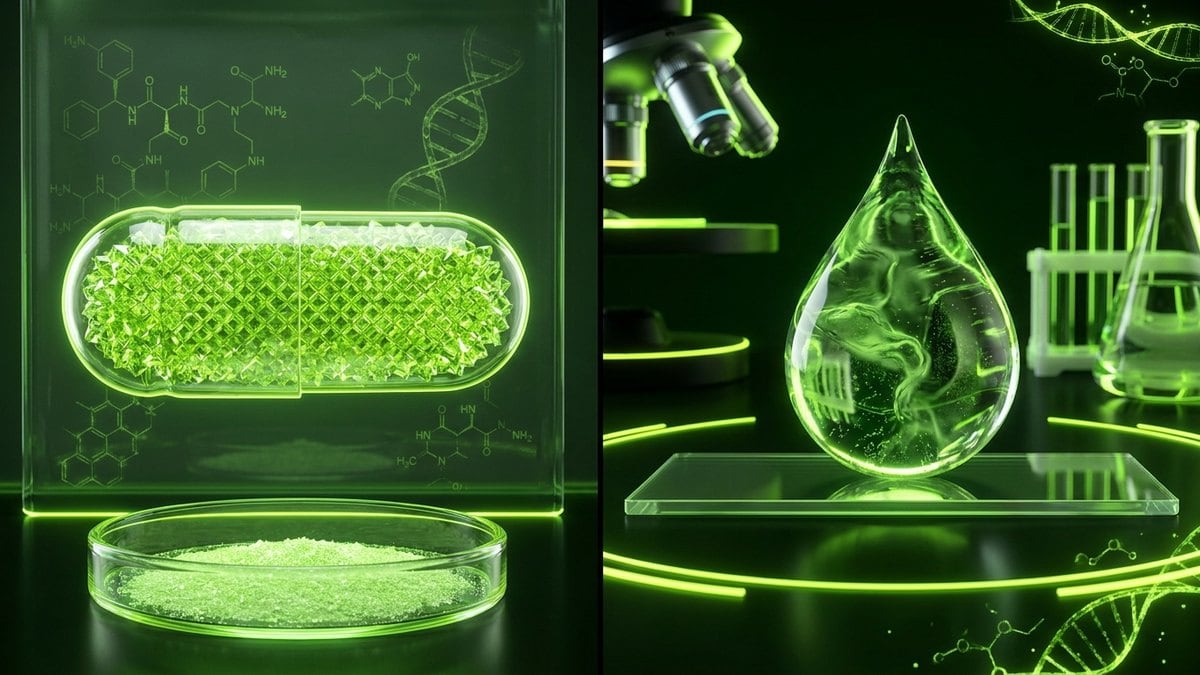
GLOW blends are frequently handled as reconstituted liquids, which introduces preparation and measurement variables between sessions. An encapsulated blend provides pre-measured, consistent units, which reduces a common source of variability when a study calls for repeated, comparable conditions. Captide Labs produces its GLOW Blend in capsule form, third-party tested for identity and purity.
How purity is verified
Because a blend contains three compounds, identity and ratio confirmation matter more than for a single peptide. Every Captide Labs batch is third-party tested, with documentation available so researchers can confirm the composition and purity of the material before study. This is the basis of the “documented purity” standard behind the capsule-first approach.
Frequently asked questions
What is GLOW peptide?
GLOW is a blend of three research peptides — GHK-Cu, BPC-157, and TB-500 — rather than a single compound. Each has been separately studied for tissue-related pathways in preclinical research.
What is the difference between GLOW peptides and a single peptide?
A single peptide contains one compound; a GLOW blend combines three. Researchers study blends to examine compounds with overlapping studied pathways under a single condition.
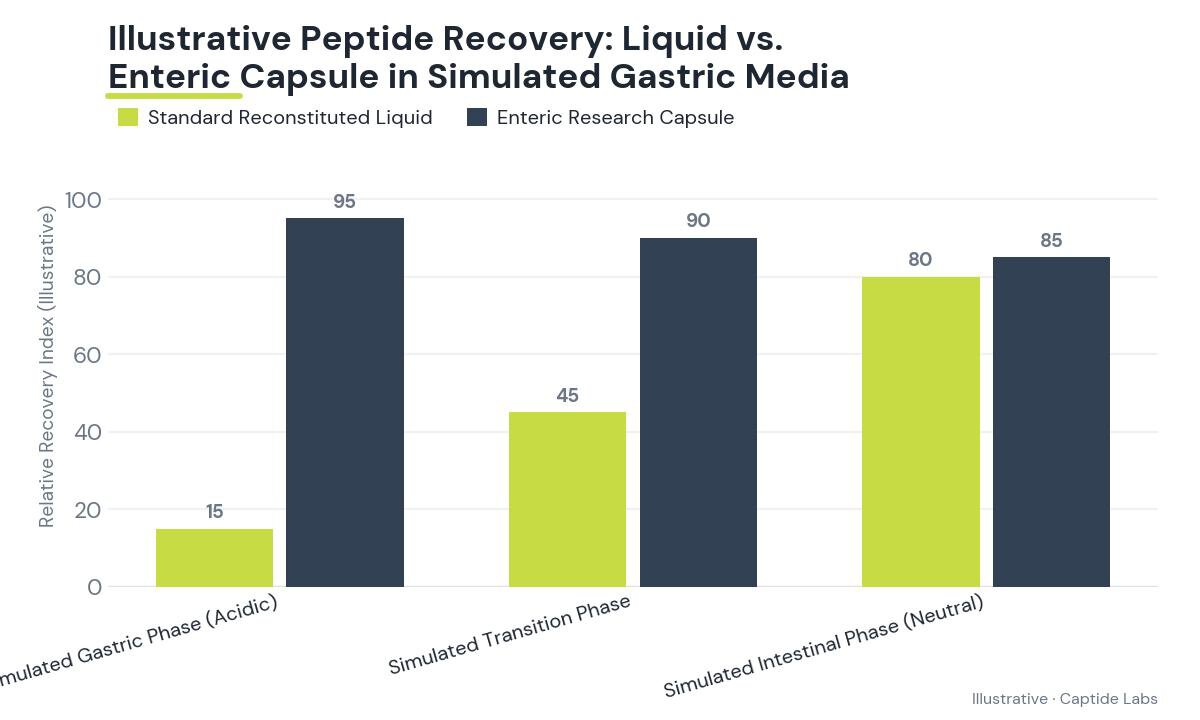
Why choose GLOW in capsule form?
Capsules offer pre-measured, consistent units, reducing preparation variability compared with reconstituted formats — useful when a study design requires repeatable conditions.
Are GLOW peptides for human use?
No. GLOW blends are research compounds intended for laboratory study only.
Research Use Only. All Captide Labs products are intended strictly for laboratory and research purposes. They are not for human consumption, veterinary use, or medical applications. These statements have not been evaluated by the Food and Drug Administration. You must be 21 or older to purchase.