Investigating the structural stability and cellular dynamics of the tb 500 peptide has become a major focal point in modern tissue repair and regenerative biology research models. As a synthetic fraction of the naturally occurring protein Thymosin Beta-4, this peptide exhibits unique molecular characteristics that facilitate cellular migration, angiogenesis, and wound healing assays in vitro. This article provides a comprehensive scientific analysis of its biochemical pathways, structural integrity, and the utility of high-purity research formats in laboratory environments.
Molecular Structure and Stability of the TB 500 Peptide
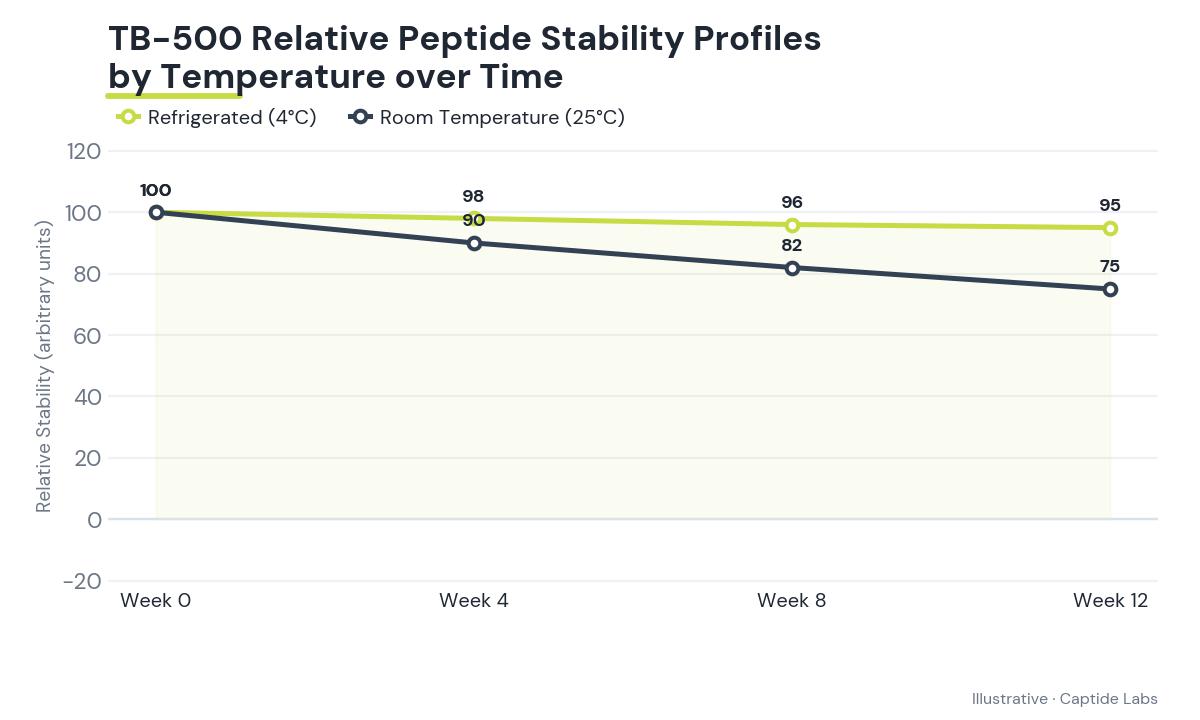
The tb 500 peptide is a synthetic peptide consisting of 43 amino acids, representing the active domain of Thymosin Beta-4. Unlike larger proteins that are easily degraded, this low molecular weight sequence (approximately 4.9 kDa) maintains structural stability across a wide range of pH and temperature conditions in experimental setups. Its primary structure allows it to bind to G-actin (globular actin), inhibiting actin polymerization and maintaining a pool of unpolymerized actin monomers within the cytoplasm, which is critical for cellular motility and structural plasticity in cultured cell lines.
In laboratory settings, maintaining the stability of the peptide during assays is paramount. The structural resilience of the TB 500 peptide sequence facilitates prolonged exposure studies in vitro without immediate enzymatic degradation. Researchers rely on analytical-grade peptide configurations to ensure that experimental outcomes are not skewed by premature molecular breakdown. This structural durability makes it an ideal candidate for high-resolution imaging and tracking studies in microfluidic chambers.

Cellular Migration and Angiogenesis Pathways in Repair Models
The primary mechanism of action under investigation is the peptide’s ability to upregulate matrix metalloproteinases (MMPs), which degrade extracellular matrix components to allow cellular migration. Through its interaction with actin-binding pathways, the TB 500 peptide promotes the migration of endothelial cells and dermal fibroblasts into injured areas in scratch assay models. This chemotactic response is essential for studying the physical stages of tissue reconstruction and cellular recruitment without confounding systemic variables.
Furthermore, the peptide stimulates angiogenesis—the formation of new blood vessels from pre-existing vasculature—by elevating levels of vascular endothelial growth factor (VEGF) in vitro. This pathway is heavily analyzed in cardiovascular and musculoskeletal research models to understand how capillary sprout formation is coordinated. The presence of stable peptide concentrations in cell cultures allows investigators to map out the precise cascades of gene expression that govern endothelial cell differentiation and tube formation.
Analytical Verification and Lab Testing of RUO Peptides
To generate reproducible data, scientific investigators require research-use-only (RUO) compounds that meet rigorous purity standards. High-performance liquid chromatography (HPLC) and mass spectrometry (MS) are the gold standards utilized to verify the identity and purity of the TB 500 peptide. ISO 17025 certified laboratory testing ensures that each batch is free from contaminants, TFA salts, and degradation products, which could otherwise interfere with receptor binding studies or induce cellular toxicity in delicate assay cultures.
Standardized laboratory documentation, including Certificates of Analysis (COAs), must be scrutinized by researchers to guarantee that the peptide sequence matches the theoretical molecular weight exactly. This level of quality control is critical for quantitative assays where precise molar concentrations must be calculated. Captide Labs prioritizes these analytical benchmarks, ensuring that all research materials exhibit the exact chemical profile required for sensitive biochemical pathways.

Non-Invasive Formats and In Vitro Delivery Innovations
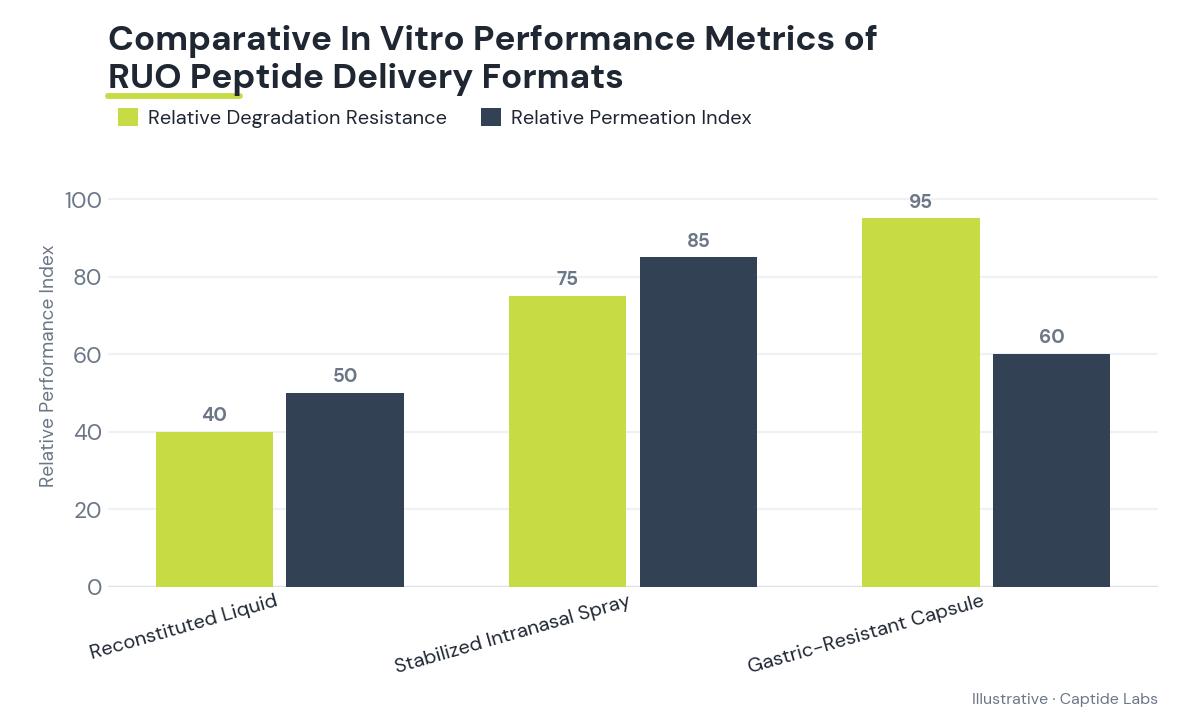
Traditionally, peptide research relied heavily on reconstituted lyophilized powders, which present challenges regarding physical degradation and precise volumetric measurement. Recent advancements in research methodology highlight the utility of pre-formulated non-invasive formats, such as specialized sprays and capsule configurations, for specific in vitro and ex vivo tissue models. These formats minimize physical handling and reduce the risk of introducing external contaminants during the preparation phase, preserving the integrity of the peptide.
For example, spray-format delivery systems allow for even, aerosolized distribution over biological membranes or cellular monolayers in barrier-integrity studies. Similarly, encapsulated formats provide a protected microenvironment for the peptide, preventing environmental oxidation until the assay conditions dictate release. These delivery innovations allow research labs to standardize their experimental protocols, reducing manual handling errors and enhancing the reproducibility of tissue repair datasets.
From Captide Labs
Explore TB-500 Capsules from Captide Labs.
Frequently asked questions
What is the purity standard of TB 500 peptide?
The purity standard for research-use-only TB 500 peptide must exceed 98% as verified by HPLC, ensuring the absence of peptide fragments or chemical impurities that could disrupt scientific assays.
How is TB 500 peptide verified in the lab?
It is verified using High-Performance Liquid Chromatography (HPLC) to confirm purity and Mass Spectrometry (MS) to validate the exact molecular weight against established reference standards.
Why are capsules preferred in non-invasive research?
Capsule formats are preferred in non-invasive research because they protect the peptide from degradation, eliminate the need for manual reconstitution, and reduce contamination risks during experimental setups.
Is TB 500 peptide suitable for human trials?
No, this peptide is strictly a research-use-only (RUO) compound and is not approved or suitable for human consumption, clinical trials, or any therapeutic application.